Lavender Plant Care & Growing Guide
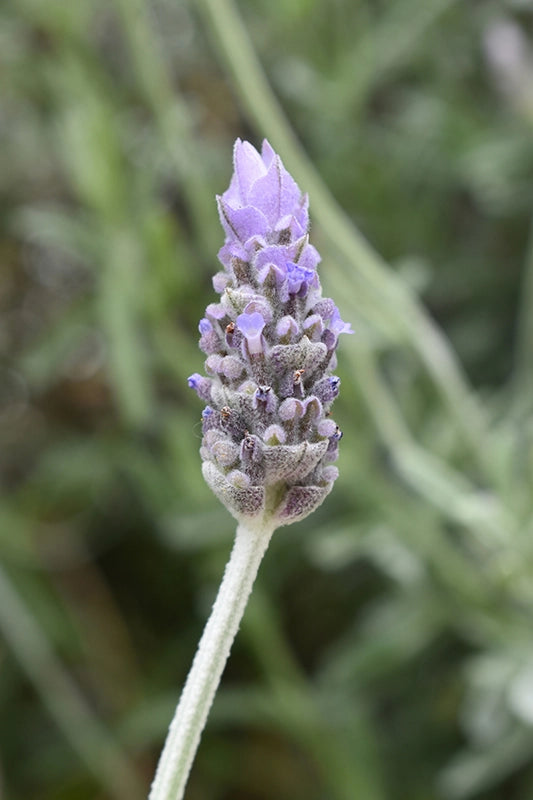
Everything we grow, harvest, and know about lavender — from our Waikato farm to your garden.

Written by the team at Lavender Backyard Garden® — a working lavender farm established in 2014 in the Waikato region of New Zealand. We grow Lavandula × intermedia 'Super' and Lavandula angustifolia 'Pacific Blue' on-site, harvest at peak bloom each January and February, and handcraft our dried flowers, sachets, and essential oil in small batches from our own harvest. The growing advice in this guide comes from years of cultivating lavender in New Zealand's climate — what we recommend here is what we actually do.

Getting Started with Lavender

Lavender is one of the most forgiving garden plants once established — but it fails fast if planted in heavy, wet soil or a shaded spot. In New Zealand, most lavender failures come down to two things: waterlogged roots and insufficient airflow. Lavandula angustifolia 'Pacific Blue' suits compact gardens and cooler southern regions; Lavandula × intermedia 'Super' thrives in warmer Waikato and Hawke's Bay conditions and grows to a larger, more productive hedge. Both need at least six hours of direct sun daily and slightly alkaline soil — a handful of lime worked into clay soil at planting makes a significant difference.

Water weekly for the first season until established, then reduce to deep watering every two to three weeks in summer only — lavender in New Zealand's climate rarely needs supplemental water once roots are down.

Read: Choosing the Best Lavender for Your NZ Garden →
  • A basket of dried lavender flowers against the vibrant lavender field at Lavender Backyard Garden, NZ.

    Lavender Dried Flowers

    Grown and harvested on our Waikato farm at peak bloom — hand-cut in January and February when the oil content is highest, then dried slowly to lock in colour and fragrance.

    Shop NZ farm-grown dried lavender flowers 
  • Holding a bottle of 100% pure lavender essential oil by hand with the background of a purple lavender field at NZ Lavender Backyard Garden.

    Lavender Essential Oil

    Steam-distilled from Lavandula × intermedia 'Super' grown on our Waikato farm. Use in a diffuser, add to homemade sachets, or dilute for topical use.

    Shop NZ farm-distilled lavender essential oil 
  • Dried Lavender Sachet

    Spray-free, Waikato-grown, filled at peak-harvest scent. Place in drawers, wardrobes, or pillowcases for lasting fragrance without synthetic chemicals.

    Shop dried lavender sachet NZ 
1 / 3

Pruning Lavender: Why, When & How

Lavender that isn't pruned regularly becomes woody and hollow at the centre within three to four seasons — and once the woody base is exposed, the plant will not regenerate from that point. In New Zealand, the correct pruning window is after the main flowering flush: late February to early March for Lavandula angustifolia varieties, and February through April for Lavandula × intermedia 'Super' in the Waikato. Cut back to just above the green growth — never into bare wood. A post-harvest prune of one-third of the plant each year is the single most effective way to extend lavender's productive life beyond a decade.

Want a quick reference?

Download our Lavender Pruning Cheat Sheet NZ (PDF) — a printable one-page summary of pruning timing by variety and NZ region, to keep right in the garden.
Harvesting Lavender: Timing, Technique & Drying at Home

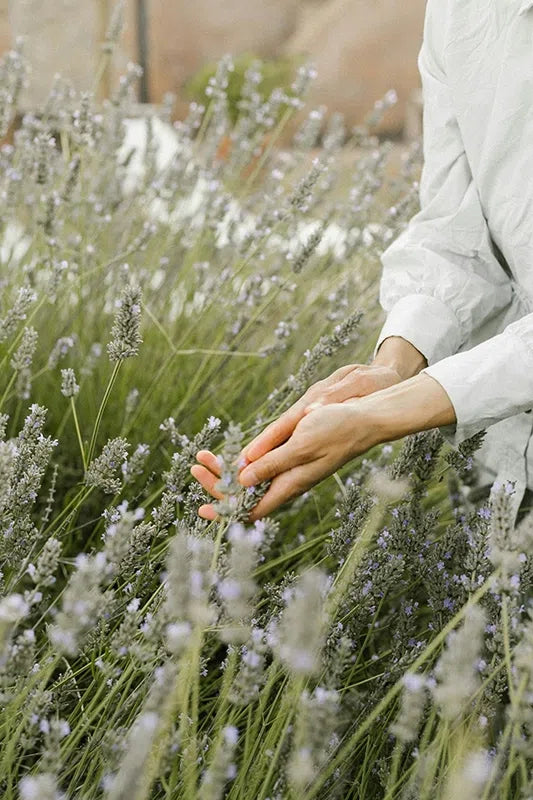
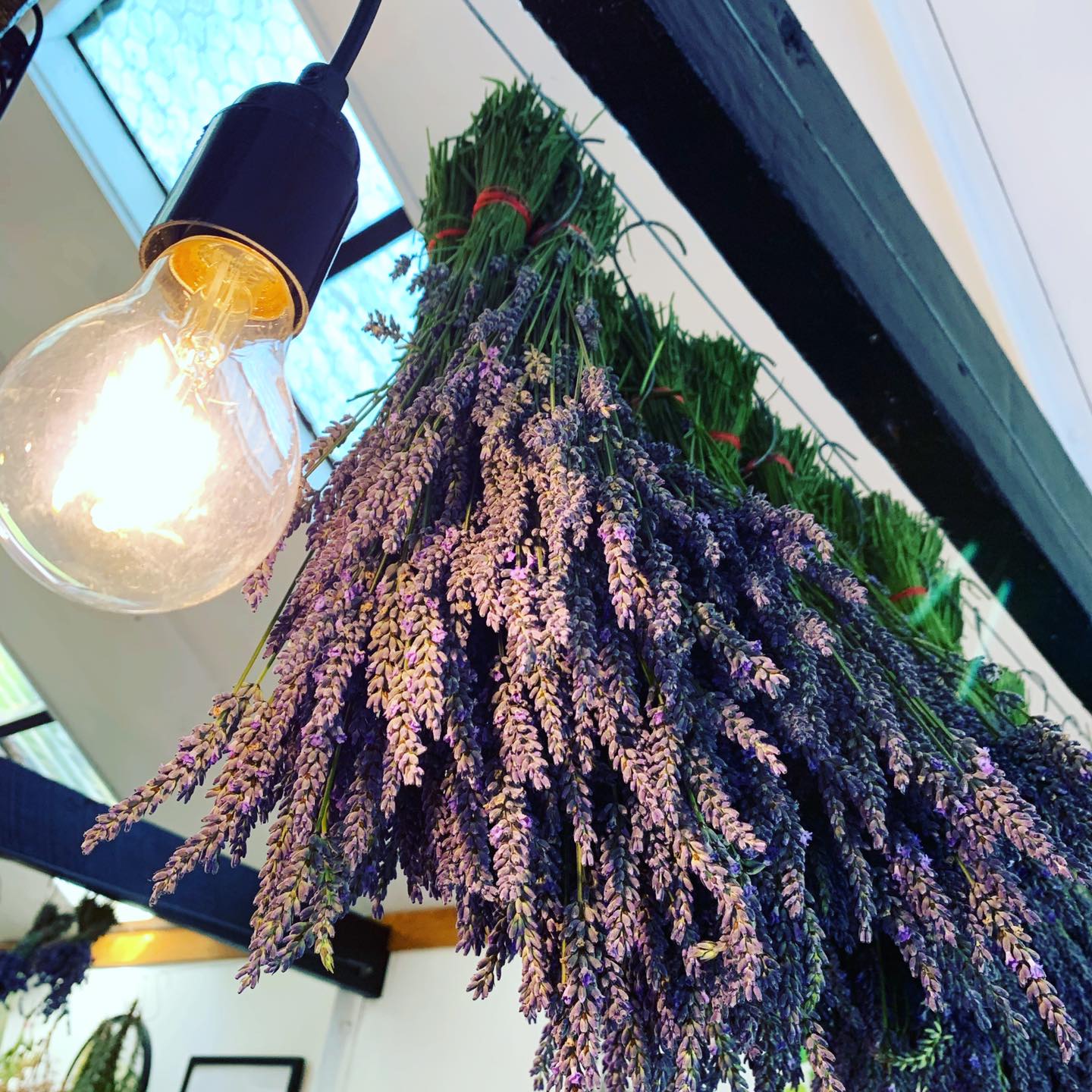
Lavender should be harvested before the flowers are fully open — when approximately half the buds on each stem have opened, the oil content is at its peak and the dried colour holds best. In the Waikato, this window falls in late December to late January for Lavandula angustifolia 'Pacific Blue', and January to mid-February for Lavandula × intermedia 'Super'. Harvest in the morning after the dew has lifted but before the midday heat draws out the volatile oils. Tie in small bundles of 20–30 stems and hang upside down in a dry, well-ventilated space away from direct light — full drying takes two to four weeks depending on humidity.
Read: How to Dry Lavender & Make It Last →

Drying & Preserving Lavender

Once your lavender is fully dry, the possibilities are wide — fill small cotton bags for wardrobe sachets, bundle stems for home display, add to homemade bath salts, or steep in oil for a simple infused lavender oil. Dried lavender from a good NZ summer harvest holds its scent for 12 months or more when stored in a cool, dark place away from direct light. At our Waikato farm, we turn our February harvest into dried bouquets, sachets, and wreath supplies each season.

Shop NZ Lavender Sachets & Home Fragrance →

Using Your Lavender Harvest at Home

Dried lavender from your own garden makes one of the most thoughtful homegrown gifts — fill small bags for friends, bundle stems tied with twine, or tuck sprigs into greeting cards and parcels. If you don't grow your own, our farm-grown dried lavender bouquets and sachets are cut and dried on our Waikato farm each summer and shipped across New Zealand.

Shop NZ-grown Dried Lavender →

Choosing the Right Lavender Variety for NZ Gardens

Variety Best for NZ bloom time Size Notes
Lavandula angustifolia 'Pacific Blue' Compact gardens, pots, cooler climates Late November – late December 40–60 cm True English lavender; sweet, high-linalool scent; used in culinary teas and preserves
Lavandula × intermedia 'Super' Hedges, oil production, warm regions Early December – late January 60–100 cm Lavandin hybrid; larger yield, robust camphor-lavender scent; our Waikato farm variety — used in essential oil, sachets, and dried flowers
Lavandula stoechas (French lavender) Ornamental gardens, warmer northern regions October – December 40–80 cm Distinctive butterfly-wing bracts; shorter bloom season; not suited for drying or oil
Lavandula × intermedia 'Grosso' Large hedges, windbreaks, high yield Early December – late January 80–120 cm Very productive; stronger camphor note than 'Super'; popular for commercial drying

Lavender Growing FAQs

What type of soil does lavender need in New Zealand?

Lavender needs free-draining, slightly alkaline soil with a pH of 6.5–7.5. In New Zealand, the biggest risk is heavy clay soil that holds moisture around the roots — lavender will rot in wet feet within one growing season. If your garden has clay soil, raise your planting bed by 15–20 cm or work in coarse sand and lime before planting. In pots, use a cactus or succulent mix with extra perlite. A gravel mulch around the base helps drainage and reflects heat onto the lower stems.

When is the best time to prune lavender in NZ?

The best pruning time in New Zealand is immediately after the main flowering flush — late February to early March for Lavandula angustifolia varieties, and February through April for Lavandula × intermedia 'Super' in Waikato and warmer North Island regions. Never prune in spring before flowering. Cut back to just above the lowest green leaves, removing one-third of the plant each year. Do not cut into bare woody stems — lavender will not regenerate from old wood.

How often should I water lavender once it's established?

Established lavender in New Zealand needs very little watering — in most regions, natural rainfall is sufficient from autumn through spring. In summer, water deeply once every two to three weeks rather than lightly and frequently. In the first season after planting, water weekly until the plant shows signs of active new growth. Container lavender dries out faster — check the top 3–4 cm of soil and water when it is fully dry. Yellow leaves are most often a sign of overwatering, not underwatering.

What is the difference between English lavender and French lavender?

English lavender (Lavandula angustifolia) has narrow grey-green leaves, long straight stems, and a sweet, high-linalool fragrance — it is well suited to culinary uses such as teas and baking. French lavender (Lavandula stoechas) has a distinctive pineapple-like bloom with petal wings and a stronger camphor scent — it is primarily ornamental and blooms earlier in NZ from October to December. For dried flowers, sachets, and essential oil, lavandin varieties such as Lavandula × intermedia 'Super' are preferred for their higher yield and robust fragrance.

Can I grow lavender in a pot in New Zealand?

Yes — lavender grows well in pots in New Zealand, provided the pot is at least 30 cm diameter, has excellent drainage holes, and is filled with a free-draining mix. Lavandula angustifolia 'Pacific Blue' is the best variety for pot growing — it stays compact at 40–60 cm. Use a terracotta or unglazed ceramic pot rather than plastic. Place in your sunniest position. Feed with a slow-release low-nitrogen fertiliser in early spring only — too much nitrogen produces leafy growth at the expense of flowers.

When should I harvest lavender in New Zealand?

Harvest lavender in New Zealand when approximately half the buds on each stem have opened — this is when the oil content is at its peak. For Lavandula angustifolia 'Pacific Blue', this window falls in late December to late January in the Waikato. For Lavandula × intermedia 'Super', harvest runs from mid-January to mid-February. Cut in the morning after the dew has lifted. Use sharp, clean secateurs and cut stems at least 15–20 cm long.

Why is my lavender going woody and what can I do about it?

Lavender goes woody when it is not pruned annually. If your lavender is mildly woody with some bare stem but green growth present throughout, a hard prune back to just above the lowest green leaves in late February will usually restore it. If the plant is severely woody with no green growth on the lower two-thirds of the stem, it cannot be recovered by pruning. Take cuttings from the healthy green tips in late summer, root them in sandy compost, and replace the old plant next season.

How do I dry lavender at home in New Zealand?

Cut stems when half the buds are open, tie in small bundles of 20–30 stems, and hang upside down in a dry, well-ventilated space away from direct sunlight. In New Zealand's summer humidity, drying takes two to four weeks. The bundles are fully dry when the stems snap rather than bend. Store in a cool, dark place — an airtight glass jar or cotton bag preserves colour and fragrance for 12 months or more.

Your Complete NZ Lavender Growing Guide

Bookmark this page and return to it throughout the seasons — the pruning timing, harvest windows, and variety advice here is written specifically for New Zealand's climate and updated from our own Waikato farm experience each year. For everything lavender — from growing to using at home — explore our Lavender Body & Home guide.